
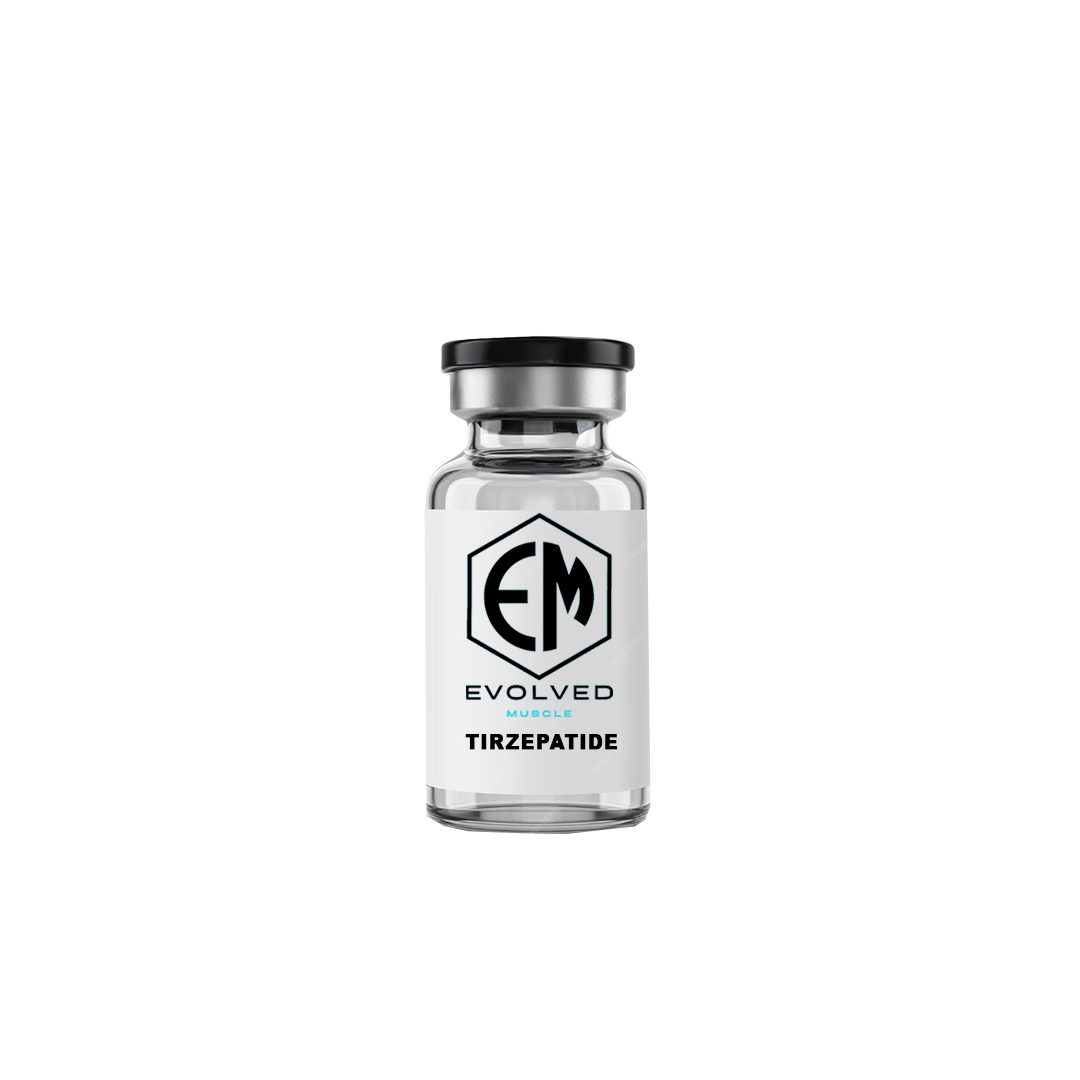
Tirzepatide 5mg
$75.00
Tirzepatide is a 39–amino acid dual incretin receptor agonist that activates both GLP‑1 and GIP receptors, enhancing glucose‑dependent insulin secretion, suppressing glucagon, slowing gastric emptying, and reducing appetite
Its ~5‑day half‑life allows convenient once‑weekly subcutaneous dosing. Clinical trials demonstrate superior glycemic control and weight reduction compared to selective GLP‑1 agonists
- Reconstitute: Add 2.0 mL bacteriostatic water → 2.5 mg/mL concentration.
- Typical weekly range: 2.5–15 mg once weekly (gradual 4‑week titration steps).
- Easy measuring: At 2.5 mg/mL, 1 unit = 0.01 mL = 25 mcg on a U‑100 insulin syringe.
- Storage: Lyophilized: freeze at (−4 °F); after reconstitution, refrigerate at (35.6–46.4 °F); use within 28 days.
Description
Tirzepatide is a prescription medication used to treat type 2 diabetes, manage chronic weight loss (in adults with obesity or those overweight with at least one weight-related condition), and treat moderate to severe obstructive sleep apnea (OSA) in adults with obesity. It is the active ingredient in the brand-name drugs Mounjaro (for diabetes) and Zepbound (for weight management and OSA), manufactured by Eli Lilly.
How It Works
Tirzepatide is a “first-in-class” dual agonist that mimics two natural gut hormones:
- Glucose-dependent insulinotropic polypeptide (GIP).
- Glucagon-like peptide-1 (GLP-1).
By activating the receptors for both hormones, tirzepatide works in several ways:
- It stimulates the pancreas to release more insulin when blood sugar levels are high.
- It reduces the amount of sugar produced by the liver.
- It slows down gastric emptying, which helps patients feel fuller for longer periods.
- It targets areas in the brain that regulate appetite, which can help reduce food cravings and “food noise” (constant thoughts about eating).
Administration and Dosage
Tirzepatide is administered as a once-weekly subcutaneous injection into the abdomen, thigh, or upper arm. The dosage typically starts low (2.5 mg) and is gradually increased by a healthcare provider every four weeks based on the patient’s tolerance and response, up to a maximum dose of 15 mg weekly.
Related products
-
AOD-9604 -10mg
$85.00 -
Retatrutide 10mg
$135.00 -
Semaglutide 5mg
$75.00 -
Cagrilintide 5mg
$95.00
Reviews
There are no reviews yet.